David Ludwig · 2 September 2026
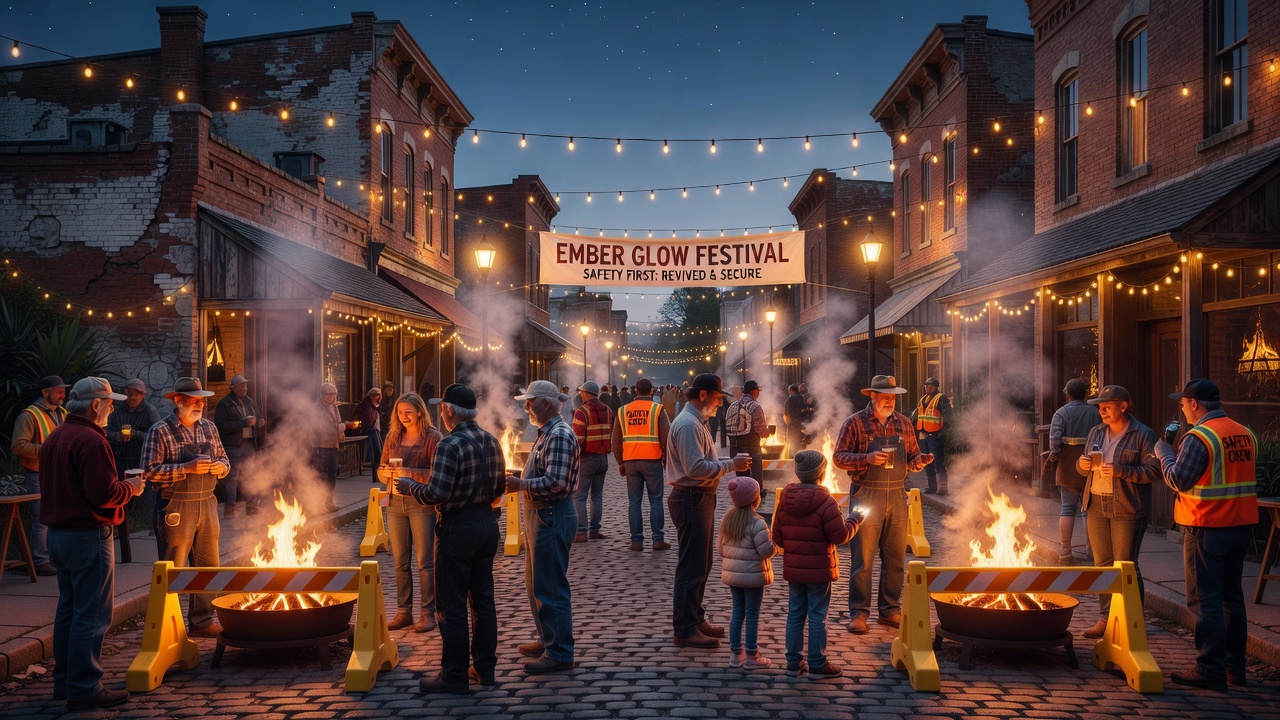
Many rural towns are reviving Ember Glow Festivals this year by implementing updated safety protocols that allow for safe celebration of this unique cultural tradition. These events feature glowing displays and community activities rooted in Ember Glow Culture.
Community Driven Revival
The revival has been led by local volunteers and town leaders who see the festivals as vital to preserving regional identity. In several areas, planning committees have met regularly to design events that honor past customs while incorporating current best practices. Activities range from evening light processions to workshops on traditional crafts associated with the glow theme. Economic impacts include increased revenue for inns and restaurants as tourists arrive from nearby cities. Social media has played a role in spreading awareness and attracting diverse crowds. Schools have integrated related history lessons to involve students. Environmental groups have collaborated to ensure sustainable practices like waste reduction. The overall effect is a strengthened community fabric through shared cultural experiences. Attendance figures show steady growth as word spreads about the well-organized nature of the events. Partnerships with artists have resulted in innovative installations that captivate audiences of all ages.
Key Safety Updates
Safety protocols have been thoroughly revised based on expert recommendations. These include professional fire watch teams, restricted use of open flames in favor of simulated effects, and comprehensive emergency response plans. Medical personnel are stationed throughout venues, and communication systems allow for rapid alerts. Regulations on alcohol consumption and noise levels help maintain order. Post-event reviews help identify improvements for future years. Officials emphasize that these steps enable the continuation of beloved traditions without unnecessary risks. Community feedback has been positive regarding the balance achieved between excitement and security. Training sessions for staff cover various scenarios to prepare adequately. This proactive approach has set a model for other cultural events in rural settings. Additional measures involve weather monitoring stations and designated evacuation routes clearly marked for all attendees.